

Table of Contents
ToggleApple "Surprise and Shine" Event 2026: iPhone Duo, iPhone 18 Pro, and Apple Watch Ultra 4 Breakdown
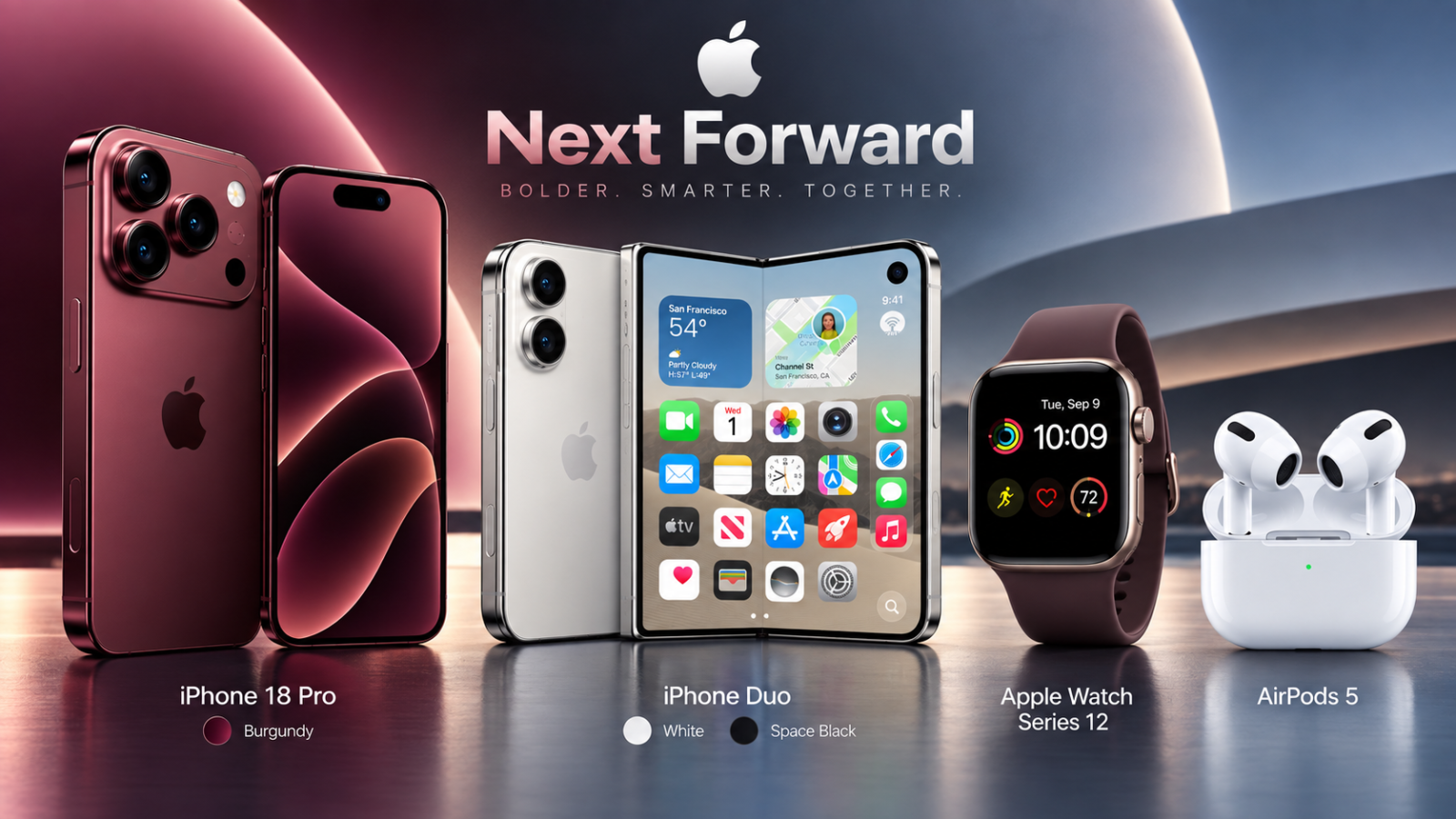
At today's September 9, 2026 Apple "Surprise and Shine" keynote at the Steve Jobs Theater, incoming CEO John Ternus officially unveiled the $1,999 foldable iPhone Duo, the $1,199 iPhone 18 Pro with a variable aperture camera, and the $799 Apple Watch Ultra 4. This event marks a historic shift in Apple's product strategy, introducing the first-ever foldable iOS device and pushing flagship phone pricing higher. Here is the definitive breakdown of every confirmed spec, price, and release date from the Apple announcement today.
⚡ THE FAST TAKE: APPLE EVENT TODAY
- iPhone Duo: Apple's first foldable costs $1,999, features a 7.6-inch inner and 5.4-inch outer display, and ships October 23, 2026.
- iPhone 18 Pro & Pro Max: Starting at $1,199 and $1,299 respectively (a $100 price increase), featuring a new 48MP variable aperture camera.
- Apple Watch Series 12 & Ultra 4: Starting at $399 and $799; both feature the most accurate Health Sensing System Apple has ever built. Available September 18.
- AirPods 5: Two new tiers priced at $129 (with ANC) and $149 (adds on-stem volume, longer battery, wireless charging).
What Is the iPhone Duo and How Much Does It Cost?
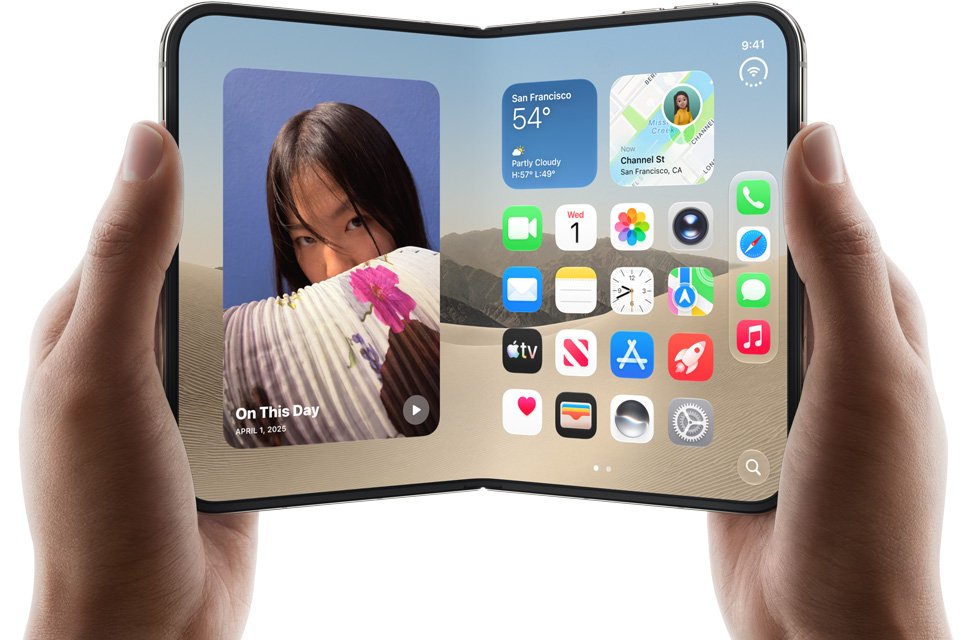
Apple confirmed during the keynote that the iPhone Duo is the company's first foldable smartphone, priced at $1,999 and officially shipping on October 23, 2026. The device transforms from a traditional phone footprint into a small tablet, featuring a 7.6-inch inner foldable display and a 5.4-inch outer cover screen. According to the specs announced at Surprise and Shine on Sept 9, that outer display surprisingly accounts for 90% of the screen area found on the standard iPhone 18 Pro, ensuring the device remains highly usable when snapped shut.
For years, the industry watched Samsung and Google iterate on foldable hardware while Apple waited on the sidelines. John Ternus used his first major keynote to prove that waiting was about perfecting the materials. The iPhone Duo utilizes a premium titanium frame paired with Ceramic Shield glass on both the front and back panels. Furthermore, Apple claims the iPhone Duo is the thinnest iPhone ever manufactured when unfolded, answering the bulkiness complaints that have plagued rival foldable devices since their inception.
From a hardware perspective, Apple made several calculated decisions to distinguish the Duo from its traditional Pro lineup. Biometric security is handled via a fingerprint Touch ID sensor built directly into the side button, rather than relying on Face ID for the inner display. The camera array is a dual 48MP Fusion camera system, stepping away from the triple-lens setup of the Pro Max to prioritize a thinner chassis. While $1,999 is a staggering entry price, the iPhone Duo represents a complete reimagining of mobile productivity under Apple's ecosystem. [INTERNAL LINK: best-foldable-phones-2026]
| Feature | iPhone Duo Specs (Announced Sept 9, 2026) |
|---|---|
| Starting Price | $1,999 |
| Release Date | October 23, 2026 |
| Inner Display | 7.6-inch |
| Outer Display | 5.4-inch (90% of iPhone 18 Pro area) |
| Biometrics | Touch ID (side button) |
| Materials | Titanium frame, Ceramic Shield (front/back) |
| Camera | Dual 48MP Fusion system |

What Is New in the iPhone 18 Pro and iPhone 18 Pro Max?
Apple announced today that the iPhone 18 Pro will start at $1,199 and the iPhone 18 Pro Max will start at $1,299, representing a direct $100 price increase over the previous iPhone 17 Pro generation. The defining upgrade for both models is the all-new 48MP Fusion Main camera, which introduces a physical variable aperture to the iPhone for the first time, granting professional photographers true creative depth-of-field control directly in hardware.
The Apple event live stream dedicated a massive portion of its runtime to this new optical assembly. In previous generations, portrait mode blur was largely computational. By implementing a physical variable aperture in the iPhone 18 Pro, Apple is allowing the lens to open and close mechanically. This means users can physically adjust how much light hits the sensor, resulting in optical bokeh that cannot be replicated by software algorithms alone, and drastically improving sharpness when shooting landscape photos in bright daylight. It is the most significant leap in iPhone photography since the introduction of the larger sensor sizes several years ago.
Beyond the camera, Apple addressed the most consistent user request: longevity. Apple confirmed during the keynote that the iPhone 18 Pro Max delivers the longest battery life in an iPhone to date. While the exact milliamp-hour (mAh) capacities remain unpublished, the combination of a larger internal cell and a highly optimized next-generation processor ensures that these devices can handle sustained video recording, intense 3D gaming, and heavy Apple Intelligence inference without dying before dinner.
Aesthetically, Apple continues to refine its premium tier. The iPhone 18 Pro series arrives in four colors across two familiar sizes. While the titanium frame introduced two years ago remains the standard, the internal chassis has been redesigned to accommodate the larger battery and the complex variable aperture lens module. The $100 price hike is a bitter pill for consumers, but the physical camera upgrades and battery gains make this a substantial year-over-year upgrade rather than an iterative spec bump. [INTERNAL LINK: iphone-18-pro-vs-iphone-17-pro-camera-test]
How Does the iPhone 18 Pro Pricing Compare to the iPhone 17 Pro?
| Model | iPhone 17 Series (2025) | iPhone 18 Series (2026) | Price Difference |
|---|---|---|---|
| Pro (Base Storage) | $1,099 | $1,199 | +$100 |
| Pro Max (Base Storage) | $1,199 | $1,299 | +$100 |

What Are the Specs for Apple Watch Series 12 and Ultra 4?
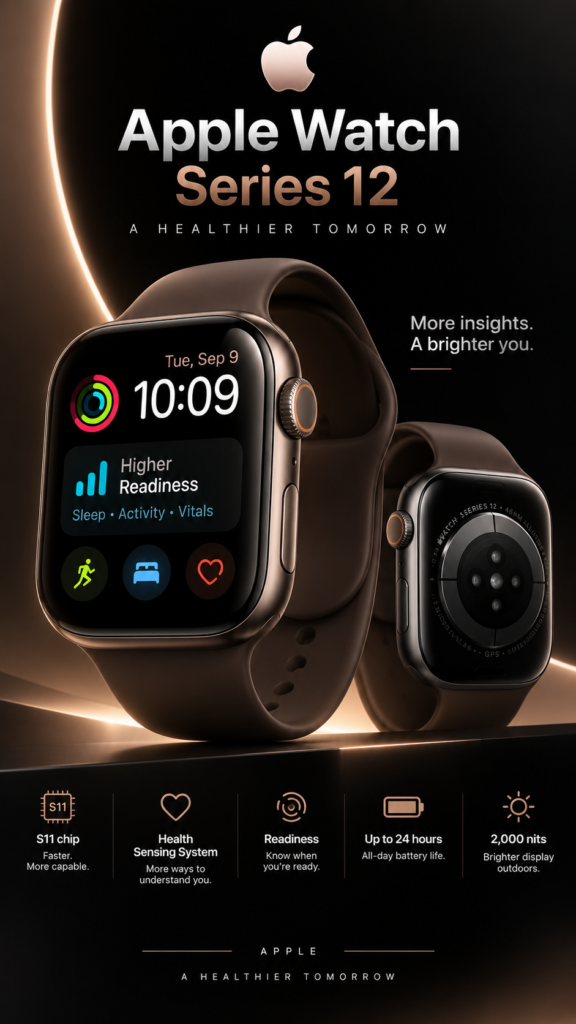
The Apple Watch Series 12 starts at $399 and the Apple Watch Ultra 4 starts at $799; both devices are available for preorder today with retail availability beginning September 18, 2026. The defining upgrade across both models is an entirely new Health Sensing System, which Apple stated provides the most accurate heart rate sensing ever put into a wearable, alongside significantly more frequent Heart Rate Variability (HRV) readings.
For extreme athletes, the Apple Watch Ultra 4 stretches its endurance lead even further. Apple announced today that the Ultra 4 achieves up to 45 hours of Max Extended Workout tracking, firmly cementing it as the longest battery life of any Apple Watch in history. This enables multi-day hiking or ultra-marathon tracking without requiring a mid-race charge. The Series 12 benefits from the same Health Sensing System, giving mainstream users access to medical-grade cardiovascular insights that were previously hindered by infrequent sampling rates.
Apple Watch Series 12 vs Ultra 4 Spec Comparison
| Feature | Series 12 | Ultra 4 |
|---|---|---|
| Starting Price | $399 | $799 |
| Release Date | September 18, 2026 | September 18, 2026 |
| Sensor Package | New Health Sensing System | New Health Sensing System |
| Max Workout Battery | Standard tracking | Up to 45 hours |
AirPods 5: Two New Tiers Quietly Shift the Audio Landscape
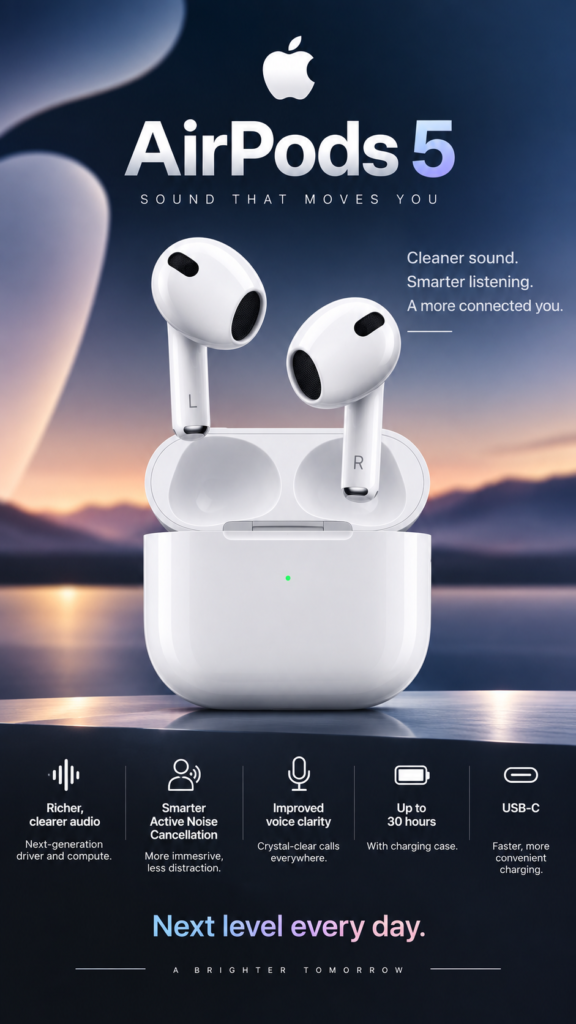
Yes, Apple announced the AirPods 5 during the event today. In a move that completely redefines the value proposition of Apple's entry-level audio lineup, the company introduced two distinct tiers of the AirPods 5, bringing premium features down to its most affordable models.
AirPods 5 (Base Tier)
$129
- Active Noise Cancellation (ANC) included standard
- Redesigned acoustic architecture
- USB-C wired charging case
AirPods 5 (Premium Tier)
$149
- Includes everything from the Base tier
- On-stem physical volume controls
- Extended battery life
- Wireless charging case standard
By adding ANC to the $129 baseline model, Apple is aggressively undercutting third-party audio competitors who previously relied on ANC as their primary differentiator against standard AirPods.
Frequently Asked Questions
How much does the iPhone Duo cost?
The iPhone Duo costs $1,999 in the United States, as confirmed by Apple at the September 9, 2026 Surprise and Shine event. It is Apple's first foldable smartphone and will officially ship to customers on October 23, 2026.
What is the release date for the iPhone 18 Pro?
The iPhone 18 Pro and iPhone 18 Pro Max are available for pre-order starting today, with retail availability expected shortly after the September 9 event. They start at $1,199 and $1,299 respectively, featuring a new 48MP variable aperture camera.
What is new in Apple Watch Series 12?
The Apple Watch Series 12 features a completely redesigned Health Sensing System that delivers the most accurate heart rate sensing in a wearable to date. Starting at $399, it also conducts much more frequent Heart Rate Variability (HRV) readings for advanced health tracking.
Who is the CEO of Apple in 2026?
John Ternus is the CEO of Apple as of 2026. The September 9 "Surprise and Shine" keynote was his first major product launch event leading the company since taking over the executive role.
How much is the Apple Watch Ultra 4?
The Apple Watch Ultra 4 starts at $799 and features up to 45 hours of Max Extended Workout tracking, giving it the longest battery life of any Apple Watch. It is available for preorder today and releases September 18, 2026.
Did Apple announce new AirPods today?
Yes, Apple announced the AirPods 5 during the event. The base model costs $129 and includes Active Noise Cancellation, while the $149 tier adds on-stem volume controls and a wireless charging case.
Does the iPhone Duo have Face ID?
No, instead of Face ID for the inner display, the iPhone Duo utilizes a Touch ID fingerprint sensor built directly into the side button, allowing for a thinner chassis design.