

Table of Contents
ToggleDJI Avata 2 Full Review: The FPV Drone Mastered for Everyone
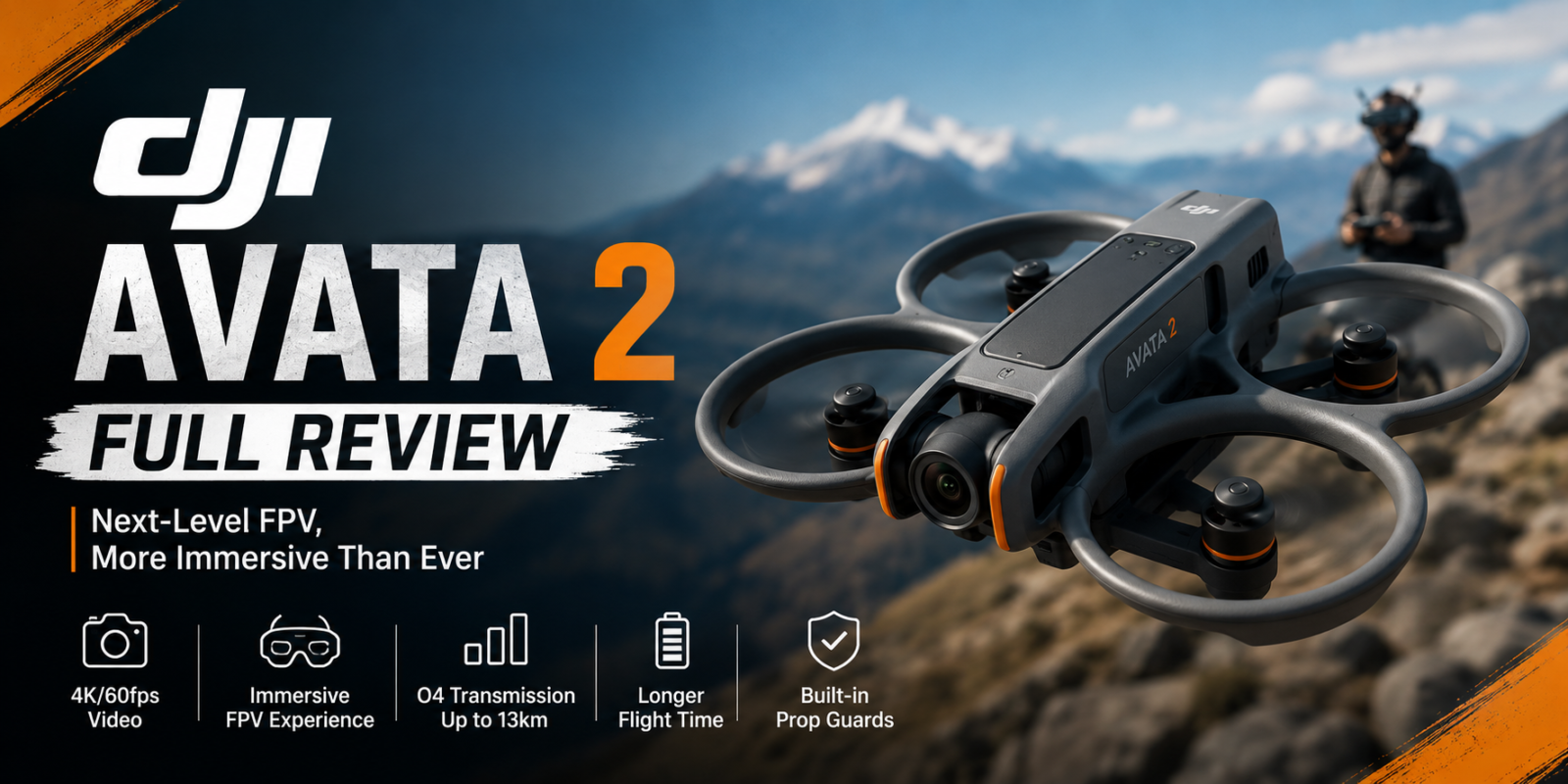
First-person view drone piloting has historically been an intimidating hobby reserved for technical tinkerers and custom builders. That barrier to entry has officially crumbled. The release of the DJI Avata 2 represents a massive evolutionary leap in accessible cinematic FPV flight, merging adrenaline-pumping aerial agility with enterprise-grade safety systems.
Designed as a robust cinewhoop platform, this second-generation iteration directly addresses the criticisms of its predecessor. It delivers a significantly larger imaging sensor, superior video transmission mechanics, and an overhauled acoustic profile that is remarkably quieter. For content creators seeking dynamic, sweeping interior-to-exterior one-shots, the DJI Avata 2 provides a turnkey solution that works flawlessly out of the box.
Whether you are a seasoned commercial aerial cinematographer or a complete beginner taking flight for the first time, this platform radically redefines what is possible with compact FPV hardware.
Design and Cinewhoop Architecture
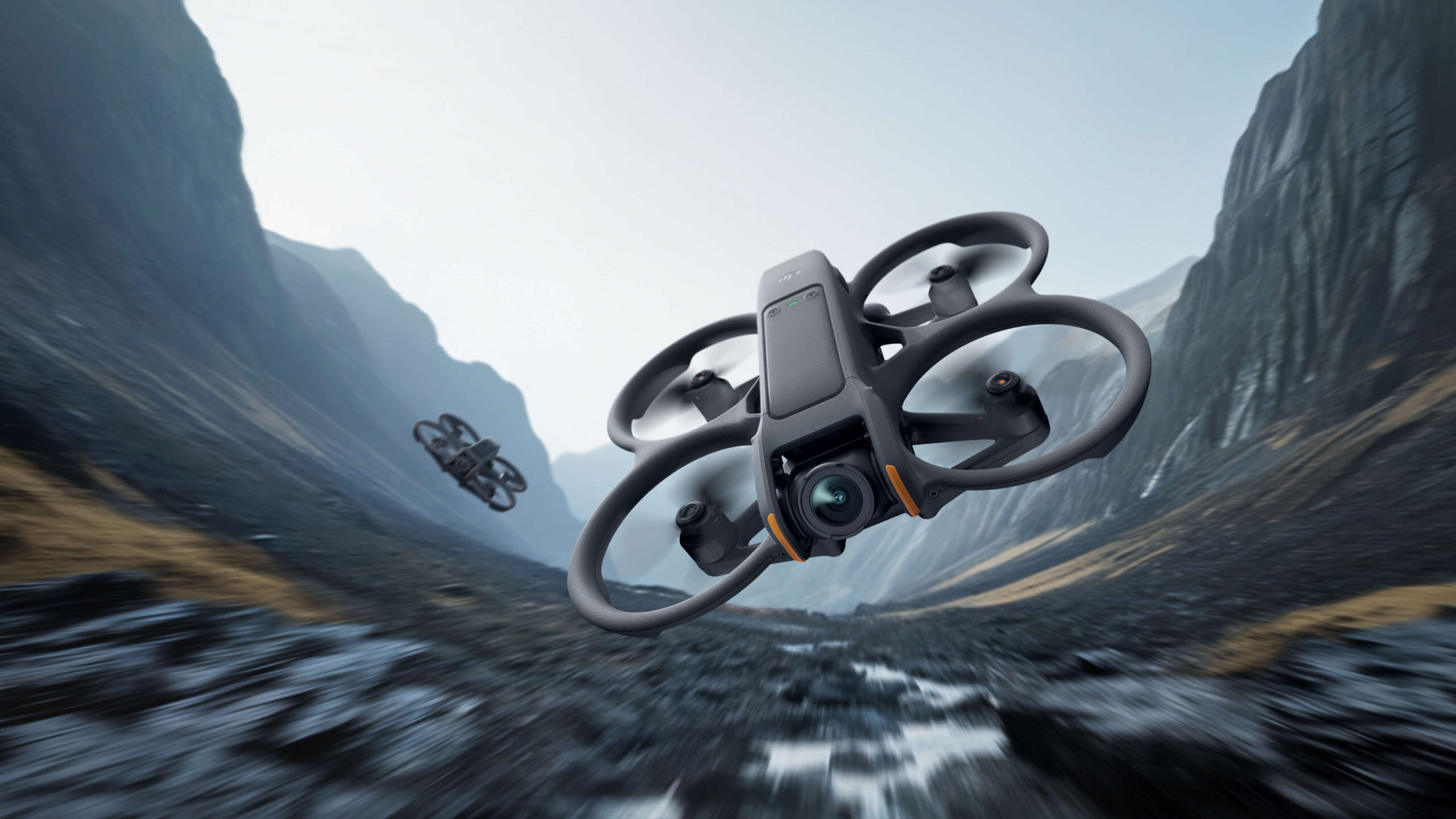
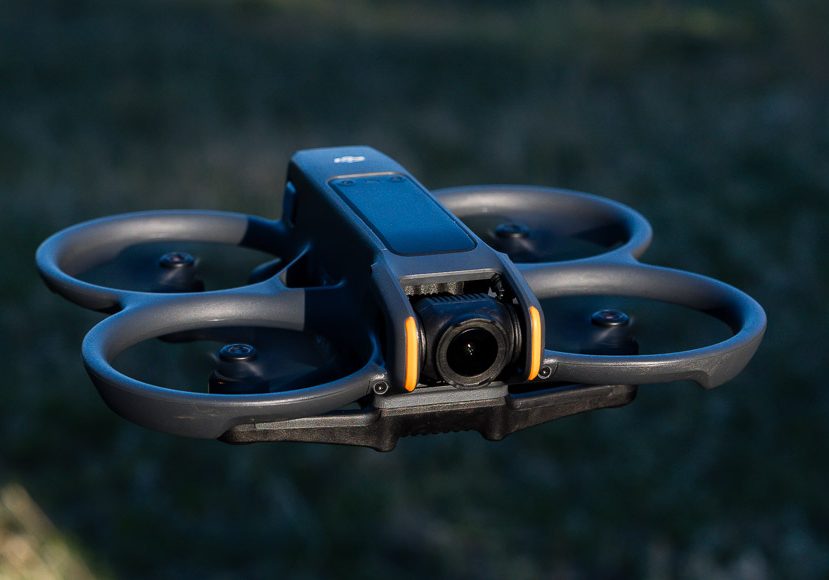
The physical build of the DJI Avata 2 centers on safety and structural resilience. Featuring integrated propeller guards built directly into the airframe, the drone is explicitly engineered to bounce off walls, branches, and doorframes without dropping from the sky. This ducted cinewhoop design is mandatory for close-proximity filming around actors and tight indoor spaces.
Weighing roughly 377 grams, the aircraft sits above the sub-250-gram regulatory threshold, meaning pilots will need appropriate registration depending on their local aviation jurisdiction. However, this added weight contributes to excellent wind resistance outdoors, allowing the DJI Avata 2 to maintain steady lines even in gusty coastal environments.
Should the worst happen and the aircraft lands upside down after a high-speed collision, DJI's proprietary Turtle Mode allows the motors to reverse direction instantly, flipping the drone back onto its landing gear so you can resume flight without physical intervention.
Upgraded Imaging: 1/1.3-inch CMOS Sensor
The most critical upgrade on the DJI Avata 2 lies within its single-axis gimbal payload. DJI replaced the older, smaller sensor with a massive 1/1.3-inch CMOS imaging chip capable of capturing 12-megapixel stills and ultra-high-definition video.
Dynamic Range and FOV
The camera supports resolutions up to 4K at 60 frames per second with native High Dynamic Range (HDR), alongside crisp 2.7K slow-motion recording at 120 frames per second. The ultra-wide lens provides a sweeping 155-degree field of view, delivering the exaggerated sense of speed and immersion that characterizes elite FPV footage.
To keep the horizon locked and jitter-free during aggressive banking turns, the system relies heavily on RockSteady 3.0+ and HorizonSteady electronic stabilization algorithms. For colorists, 10-bit D-Log M color mode is fully integrated, preserving rich shadow and highlight detail for professional post-production grading.
The Immersive Flight Experience: Goggles 3
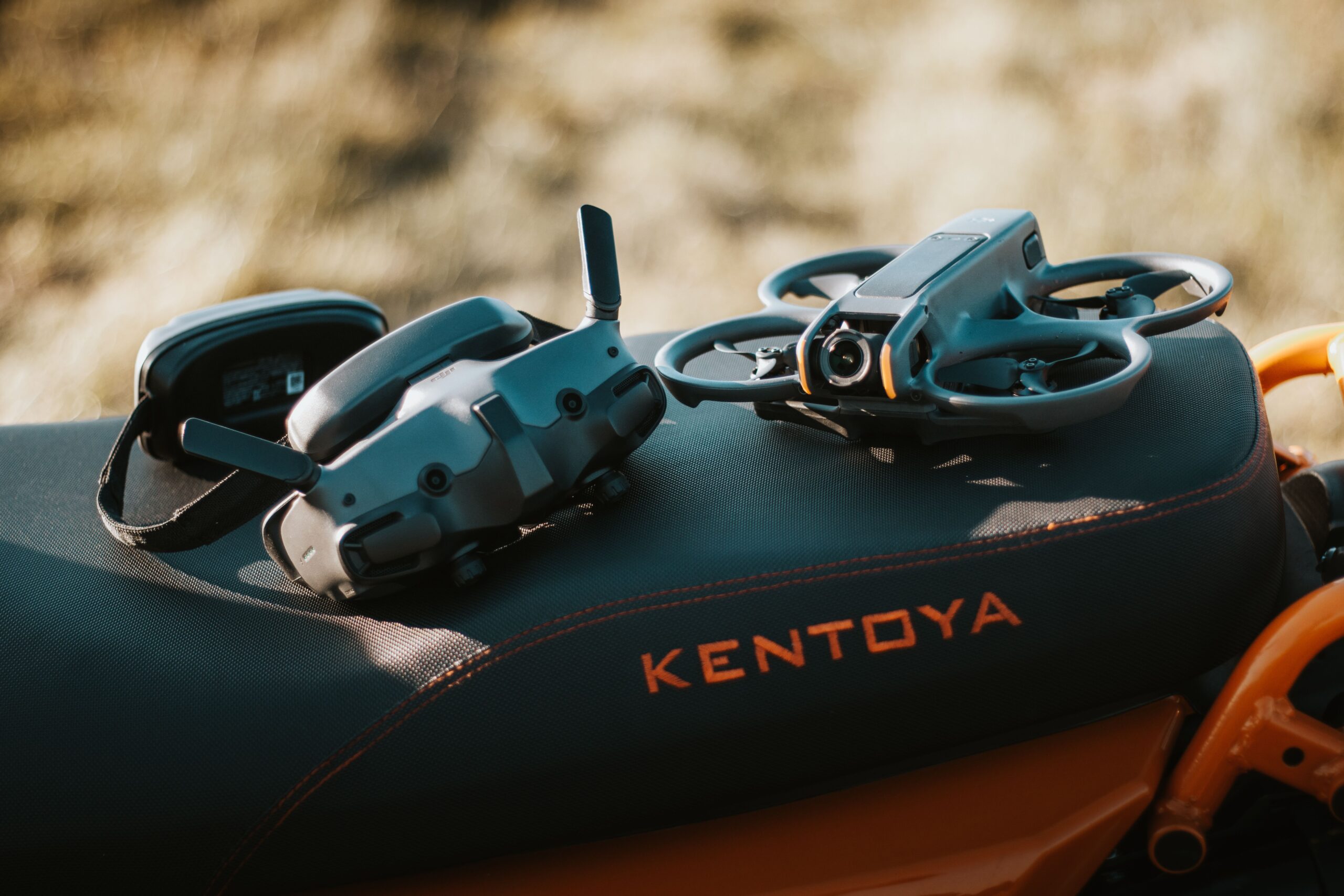
True FPV flight requires a dedicated headset, and the DJI Goggles 3 accompany this release with critical ergonomics enhancements. Featuring dual micro-OLED screens running at a refresh rate up to 100Hz, the visual feed is blindingly sharp with virtually zero perceptible motion blur.
A major innovation on the Goggles 3 is the inclusion of Real View PiP (Picture-in-Picture). Using stereoscopic front-facing cameras mounted directly on the headset, pilots can double-tap the side panel to view their immediate physical surroundings blended onto the flight display. This eliminates the safety hazard of blindly removing your headset to check your controller or monitor situational awareness.
Integrated GPS modules and built-in diopter adjustments ranging from -6.0 to +2.0 further solidify the DJI Avata 2 ecosystem as the most user-friendly FPV cockpit ever constructed.
Democratizing Agility: Easy ACRO & RC Motion 3
Historically, performing acrobatic FPV maneuvers required months of grueling simulator practice in full manual mode. When paired with the DJI RC Motion 3 controller, the aircraft completely bypasses this learning curve using intuitive hand steering mechanics.
Push-Button Acrobatics
The standout feature of this control scheme is Easy ACRO. With a single press of the joystick, pilots can execute jaw-dropping aerial tricks autonomously. This includes Front/Back Flips, Left/Right Rolls, and 180-degree high-speed Power Drifts around subjects.
This democratization of flight mechanics allows solo creators to inject professional cinematic flair into their productions immediately. While purists can still connect the traditional FPV Remote Controller 3 for fully manual acrobatics, the motion controller makes the DJI Avata 2 universally thrilling for any skill tier.
Transmission Integrity and Flight Physics
Signal reliability is paramount when flying at high velocities through concrete structures. The aircraft incorporates the robust DJI O4 video transmission protocol, utilizing a four-antenna array to ensure an ironclad connection.
| Performance Metric | Verified Specification |
|---|---|
| Max Transmission Range | Up to 13 Kilometers (FCC Compliant) |
| Max Flight Endurance | Up to 23 Minutes per Battery |
| Internal Memory Storage | 46 GB High-Speed Solid State |
| Video Feed Latency | Ultra-Low ~24 Milliseconds |
DJI Avata 2 vs Custom FPV Builds
"It bridges the gap between traditional stabilized drones and raw FPV racers better than anything on the market."
When comparing the DJI Avata 2 against traditional carbon-fiber DIY builds, the trade-offs center on convenience versus absolute customization. Custom builds allow pilots to swap motors, flash open-source flight controllers like Betaflight, and tune PID loops manually.
However, custom drones lack return-to-home GPS fail-safes, downward visual obstacle sensors, and standardized warranty support. For commercial production companies, the reliability of the DJI Avata 2 completely outweighs the incremental performance gains of custom hobbyist rigs.
Pricing, Verdict & Frequently Asked Questions
Final Verdict
The DJI Avata 2 stands as an absolute triumph in consumer drone engineering. By pairing a stellar 1/1.3-inch camera sensor with foolproof motion controls and assistive acrobatics, DJI has crafted an FPV platform that practically anyone can fly safely. If your goal is cinematic aerial storytelling with maximum kinetic energy, the DJI Avata 2 Fly More Combo is an indispensable addition to your gear bag.
How fast can the DJI Avata 2 fly?
In full Manual mode, the aircraft can reach maximum speeds of roughly 27 meters per second (approx. 60 miles per hour). In Normal and Sport modes using the motion controller, speeds are electronically limited for safety.
Does the drone have obstacle avoidance?
It features downward and backward visual positioning sensors for stable hovering and indoor flight, but it does not have omnidirectional forward obstacle avoidance. Pilots must rely on the propeller guards and visual piloting.
Can I fly the Avata 2 without goggles?
No, the system is explicitly designed as a first-person view platform and requires connection to compatible DJI Goggles for flight operations.
What is the benefit of the internal 46GB storage?
The massive internal memory allows creators to record roughly 90 minutes of high-bitrate 1080p video or roughly 45 minutes of 4K video directly onto the drone if they forget to insert a microSD card.